D, E & I December Holidays to Remember
Posted on November 18, 2021,
Events After Hours Diversity, Equity & Inclusion
12/1 – World AIDS Day – increases education and awareness of AIDS
World AIDS Day is an opportunity for people worldwide to unite in the fight against HIV, to show support for people living with HIV and to commemorate those who have died from an AIDS-related illness.
12/3 – United Nations: International Day of Persons with Disabilities – promotes the dignity, rights and well-being of people with disabilities
This year, the International Day of Persons with Disabilities is celebrating the challenges, barriers and opportunities for people who live with disabilities, in the context of a global pandemic.
Since March 2020, every person on earth has been impacted by drastic political, social and economic change as a result of domestic and international responses to COVID-19.
This year, International Day of People with Disabilities should be used to recognize that people who live with disabilities are among the most affected populations amid the COVID pandemic. Where marginalization, discrimination, vulnerability and exploitation are everyday factors for many people, the increased risk of poor outcomes have been magnified with the reduced access to routine health care and rehabilitation services, more pronounced social isolation, poorly tailored public health messaging, inadequately constructed mental health services, and a lack of emergency preparedness for people with special needs.
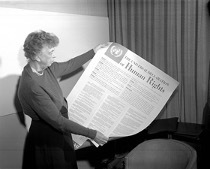
12/10 – United Nations – International Human Rights Day
Human Rights Day commemorates the day in 1948 that the United Nations General Assembly adopted the Universal Declaration of Human Rights. Translated into hundreds of languages and dialects, from Abkhaz to Zulu, the UDHR set a world record in 1999 for being the most translated document in the world.
12/16-12/24 – Mexico: Las Posadas – commemorates events associated with the birth of Jesus
Las Posadas is a religious festival traditionally held in Mexico and parts of Latin America. Translating to “The Inns” in Spanish, Las Posadas is an important part of the Christmas festivities. Over the nine nights of celebrations, parties are held at different people’s homes. The parties are joyous occasions, including prayers, food, music, fireworks and piñatas!
HOW TO CELEBRATE LAS POSADAS
1. Make star-shaped piñatas
Las Posadas is a great event that can be celebrated by adults and children alike! One of the most exciting elements of Las Posadas is the star-shaped piñatas filled with candy and toys. Children often take turns to put on a blindfold and hit the piñata with a stick and once it breaks everyone will rush in to grab a handful of tasty treats. But you don’t have to be a child to hit the piñata, fill one for yourself and try it with family and friends.
2. Attend a procession
Before each gathering, all the guests form a procession to mark Mary and Joseph’s search for an inn on the night of Jesus’s birth. The march is usually led by an angel, guiding Mary and Joseph to shelter, when they could not find one in Bethlehem. The participants will first hold candles and sing Christmas carols, and make their way to a particular home. A special song, “La Canción Para Pedir Posada” is sung, until the host agrees to let everyone inside. It’s a time of celebration, but also a remembrance of Mary and Joseph’s miraculous journey.
3. Reflect and meditate
On each of the nine nights, a different quality will be meditated upon — humility, strength, detachment, charity, trust, justice, purity, joy and generosity. Before indulging in delicious food and beverages such as tamales and “ponche” or “atole,” consider reflecting upon important spiritual qualities that help us become better humans, no matter what you believe in.
Five Fascinating Facts About Las Posadas
The seven deadly sins
The star-shaped piñata children break apart has seven points that are meant to symbolize the seven deadly sins.
Rewards from heaven
The treats released from inside the piñata symbolize rewards from heaven, which are shared among guests in packages called “aguinaldos.’
Staying warm and cozy
To stay warm, guests are served “ponche,” an aromatic fruit punch that includes piloncillo, water, cinnamon, and fruits such as guavas, tejocotes and oranges.
Mary’s birth symbolized
The “Novena” — the nine days of Las Posadas — signifies the nine months Mary carried Jesus in her womb.
Songs of devotion
The songs that are sung at each home form a dialogue between the “Fuera,” sung by the pilgrims, and “Dentro,” sung by those playing the innkeepers.
12/21 – Winter Solstice/Yule – the Pagan and Wiccan winter sabbat
The Winter Solstice is the shortest day and longest night of the year, as the sun gets its lowest elevation in the sky. Apart from the marking of a new season, the winter solstice also holds a significant symbol for the sun. As it appears to stand still on this day, it’s believed that the sun is going through a rebirth. It would then gain momentum after the solstice.
12/25 – Christian: Christmas – celebrates the birth of Jesus, the Christian messiah
Christmas Day, on December 25, is one of the most festive Christian holidays in many countries around the world. It celebrates Jesus' birth. The word “Christmas” comes from the old English “Cristes maesse,” or the mass of Christ. It is likely that the Christmas date of December 25 was chosen to offset the Pagan celebrations of Saturnalia and Natalis Invicti. It is also possible that the celebration of the birth of the “true light of the world” was set at the time of the Winter Solstice because this is when the days in the Northern Hemisphere begin to grow longer. Christmas holiday customs derive from various cultures, including Teutonic, Celtic, Roman, West Asian and Christian.
12/26 – Black: Kwanzaa (12/26-1/1) – inspired by African harvest celebrations
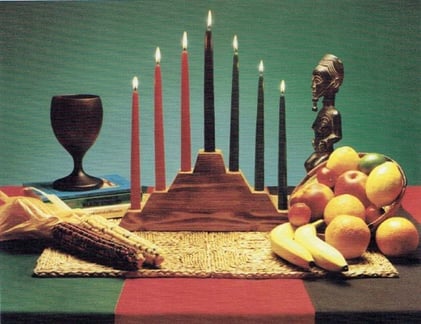
The Symbols of Kwanzaa
Kwanzaa has seven basic symbols and two supplemental ones. Each represents values and concepts reflective of African culture and contributive to community building and reinforcement. The basic symbols in Swahili and English follow.
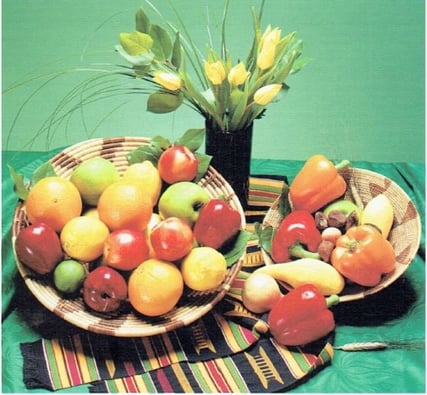
Mazao (The Crops)
These are symbolic of African harvest celebrations and of the rewards of productive and collective labor.
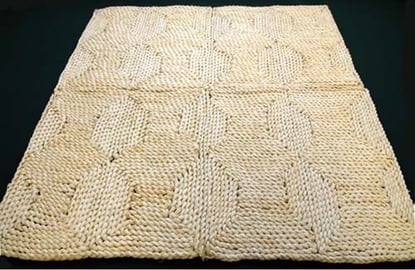
Mkeka (The Mat)
This is symbolic of tradition and history and therefore, the foundation on which people build.
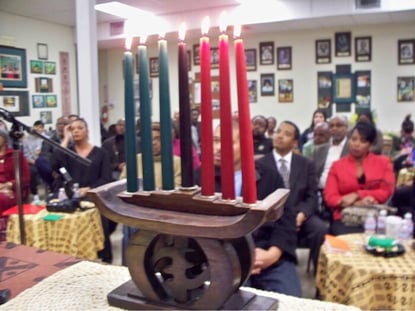
Kinara (The Candle Holder)
This is symbolic of the parent people -- continental Africans.
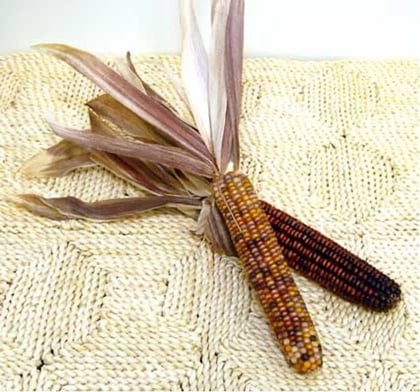
Muhindi (The Corn)
This is symbolic of the children and the future which they embody.
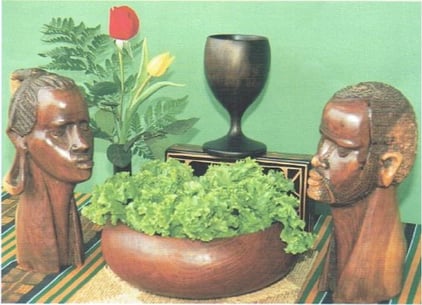
Kikombe cha Umoja (The Unity Cup)
This is symbolic of the foundational principle and practice of unity which makes all else possible.
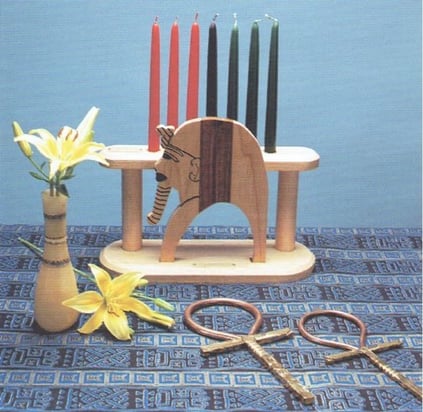
Mishumaa Saba (The Seven Candles)
These are symbolic of the Nguzo Saba, the Seven Principles, the matrix and minimum set of values which African people are urged to live by in order to rescue and reconstruct their lives in their own image and according to their own needs.
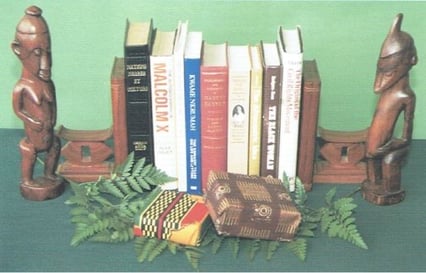
Zawadi (The Gifts)
These are symbolic of the labor and love of parents and the commitments made and kept by the children.
Additional Facts:
- The colors of Kwanzaa are black, red and green; black for the people, red for their struggle, and green for the future and hope that comes from their struggle. Therefore there is one black candle, three red and three green candles.
- The Seven Candles represent the Seven Principles. The black candle represents the first principle Umoja (unity) and is placed in the center of the kinara. The red candles represent the principles of Kujichagulia (self-determination), Ujamaa (cooperative economics) and Kuumba (creativity) and are placed to the left of the black candle. The green candles represent the principles of Ujima (collective work and responsibility), Nia (purpose) and Imani (faith) and are placed to the right of the black candle. The black candle is lit first on the first day of the celebration and the remaining candles are lit afterwards from left to right on the following days. This procedure is to indicate that the people come first, then the struggle and then the hope that comes from the struggle.
- Children are important within the Kwanzaa value framework because they are key to the physical survival of the community. But equally important, they are key to the cultural survival and development of the community. It is they who, as Mary M. Bethune taught, are the "heirs and custodians" of the cultural legacy as a people. This dual function as heirs and custodians means that they not only inherit African culture—its narrative and achievements, its views and values—but must assume responsibility for its preservation and expansion.
- Kwanzaa places emphasis on children because they are in fact the hope and future of African people in both the biological and cultural sense. Given this reality and the need to bond the generations and develop a reciprocal respect and support between them, African communal society placed great emphasis on reinforcing the bonds between parents and children. This emphasis is present in Kwanzaa and expresses itself in the stress on parental and child affection, shared activities, and value orientation of children toward commitment and priorities that strengthen family, community and culture.
Kwanzaa Arts, Crafts, and Decorations
Kwanzaa provides unlimited opportunities to apply the principle of Kuumba (Creativity) to engage our children in fun projects where they make, design or build their own Kwanzaa or culturally themed items, including:
- African / African American Song and Dance
As a cultural holiday. Kwanzaa was designed to celebrate the best of us. Children are encouraged to participate in traditional and contemporary cultural song and dance that celebrates us at our best. - Cultural Games and Storytelling
The celebration of Kwanzaa as a whole and each principle separately give us a a chance to explained express each principle through our long tradition of cultural storytelling and creative games.